Essential Phrases You’ll Actually Need
Forget the textbook stuff. Here are real phrases people use in cafés, shops, and conversations that’ll actually help you communicate.
Why These Phrases Matter
You’re not going to walk into a café and ask about verb conjugations. Real French happens in moments — ordering coffee, asking for directions, chatting with someone new. The phrases in this guide come from actual conversations, not grammar textbooks. We’ve picked out the ones that show up repeatedly and make a real difference when you’re trying to communicate.
What makes these different? They’re short, they’re memorable, and they’re genuinely useful. Most beginners learn “Bonjour, comment allez-vous?” but never hear what comes after. We’re focusing on the stuff people actually say — the follow-ups, the transitions, the small responses that keep conversations flowing.

Greetings & Polite Basics
These are your foundation. You’ll use them constantly, from shops to restaurants to casual meetings.

Ordering Food & Drinks
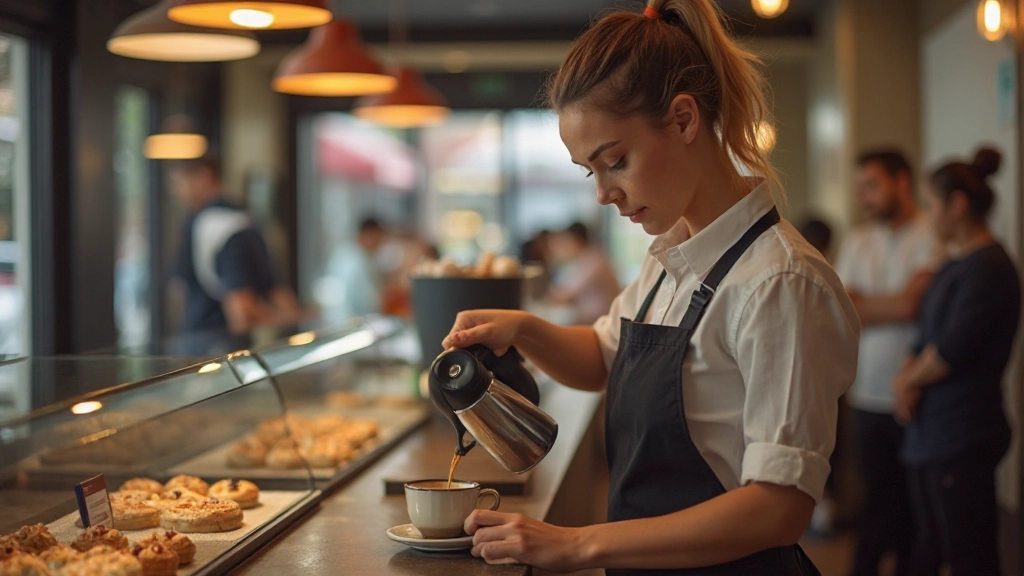
You’ll spend a lot of time in cafés and restaurants. These phrases get you what you want without awkward pauses.
Keeping Conversations Going
These phrases help you bridge awkward silences and show genuine interest. They’re small, but they make conversations feel natural.

Practical Everyday Phrases
These are the phrases that solve problems. Getting lost? Needing directions? Trying to find something specific? Here’s what actually works.
Three Tips for Using These Phrases
Pronunciation Matters More Than You Think
People respond better when you make a genuine effort with pronunciation. You don’t need to sound like a native speaker — just try. They’ll appreciate it and often slow down to help you.
Start With Politeness
Always open with “Bonjour” or “Bonsoir” and end with “Merci.” This isn’t just polite — it’s expected. French people appreciate when you follow these social conventions.
Don’t Memorize — Practice Repeatedly
Say these phrases out loud multiple times. The goal isn’t to remember them intellectually — it’s to make them automatic so they come naturally in real conversations.
Start Small, Build Confidence
You don’t need to memorize 100 phrases before you start talking. These 20 or so will get you through most basic situations. The real learning happens when you use them — in actual conversations, with real people, in real cafés.
Pick 3-4 phrases from each section. Practice them until they feel natural. Then try using them. You’ll be surprised how far politeness, genuine effort, and a few key phrases can take you. People respond to sincerity — and when they see you’re trying to speak their language, they’ll make space for you.
The best time to start speaking French is today. Not when you’re “ready.” Not when you know more grammar. Today. With these phrases.
Learning Note
This guide covers conversational phrases useful for beginners. While these are authentic and commonly used, French has many regional variations and formal contexts where phrasing differs. This resource is meant for educational purposes to build foundational communication skills. For formal business French or specialized contexts, consider consulting with a qualified French instructor. Language learning is a gradual process — these phrases are starting points, not comprehensive coverage of the language.