

French Pronunciation: Sounds That Aren’t English
French has sounds your mouth isn’t used to making. We break down the key ones and show you how to practice them properly.
Read MoreGender, verb tenses, and articles can seem confusing at first. We break down the patterns that actually make sense and help you remember them.

Here’s the thing about French grammar — it’s not as random as it seems. Once you understand the underlying patterns, everything clicks into place. You won’t need to memorize endless rules because you’ll actually understand how the language works.
Most beginners get frustrated because they’re trying to memorize grammar in isolation. But that’s backwards. Grammar is a system, and systems follow logic. We’re going to show you that logic. Whether you’re just starting out or you’ve been struggling with the same concepts for months, this guide will make sense of the stuff that’s been confusing you.
By the end of this, you won’t just know the rules — you’ll understand why they exist. And that’s what actually sticks in your brain.

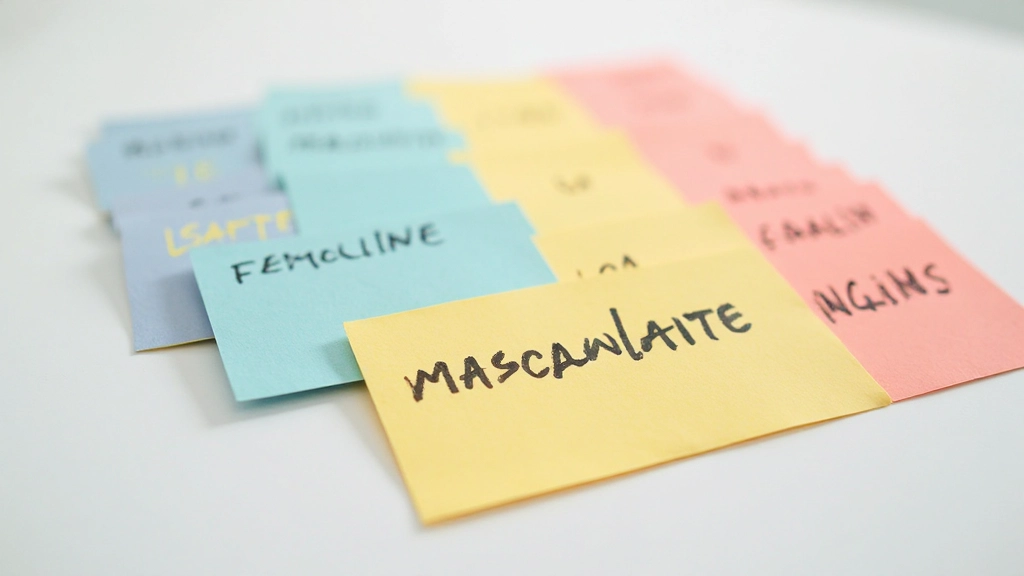
This is the first thing that stops people. In French, every single noun has a gender — either masculine or feminine. And if you’re coming from English, this feels completely arbitrary. A table is feminine (la table), but a chair is masculine (le chaise). Where’s the logic?
Here’s what they don’t tell you: there ARE patterns. About 80% of French nouns follow predictable endings. Words ending in -age are almost always masculine (le message, le voyage). Words ending in -tion are always feminine (la nation, la création). Words ending in -eur are usually masculine when they describe a person doing something (le professeur).
The remaining 20% are just weird. You’ll memorize those through exposure and repetition. But don’t waste energy trying to find logic where there isn’t any. Instead, focus on the patterns that work. Learn the endings. Test yourself on them. Within a few weeks, you’ll notice yourself guessing gender correctly way more often than you expect.
Pro tip: When you learn a new noun, always learn it with its article (le or la). Don’t just memorize “chat” — memorize “le chat.” Your brain will start picking up the pattern without you having to think about it.
French has three definite articles: le (masculine singular), la (feminine singular), and les (plural). You can’t avoid them — they appear constantly. The good news? They’re incredibly consistent.
Here’s the pattern: le goes with masculine nouns, la with feminine nouns, and les with anything plural. That’s it. No exceptions. Once you know a noun’s gender, you automatically know its article in singular form.
Then there’s the indefinite article — un, une, and des. Un is masculine, une is feminine, des is plural. Again, simple and predictable. You’ll use these when talking about something for the first time or in a general sense. “J’ai un chat” (I have a cat). “Je vois une fille” (I see a girl).
The real learning curve? Using them correctly in context. In English, we can drop articles all the time. “I like cats” works fine. In French, you’d say “J’aime les chats” — the article is mandatory. It feels weird at first, but after a few weeks of consistent practice, it becomes automatic.
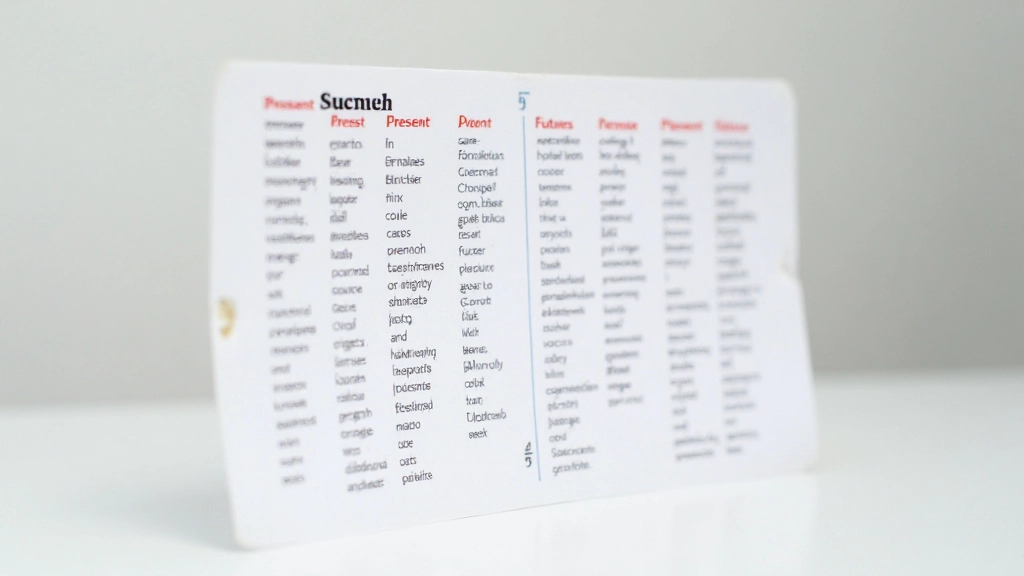
Verbs are where French grammar gets intimidating. There are more tenses in French than you probably realized existed. But here’s the secret: you don’t need them all at once. You really only need three tenses to have basic conversations.
Present tense is your foundation. It’s how you talk about what’s happening now or what you do regularly. “Je parle français” (I speak French). “Tu manges une pomme” (You eat an apple). Present tense verbs follow patterns based on whether they’re -er, -ir, or -re verbs. Learn those three patterns and you can conjugate hundreds of verbs.
Passé composé (compound past) is your next step. It’s how you talk about something that already happened. It uses the present tense of avoir or être plus a past participle. “J’ai mangé une pomme” (I ate an apple). Once you master present tense and understand past participles, this becomes much simpler.
Future tense is straightforward too. “Je vais parler” (I’m going to speak) or “Je parlerai” (I will speak). The first version uses the present tense of aller plus an infinitive. The second is the formal future, but the pattern is consistent across almost all verbs.
Start with present. Practice it until it feels natural. Then add passé composé. Then future. Don’t try to learn every tense at once — you’ll overwhelm yourself. Build your foundation, layer on complexity, and you’ll progress way faster.
Focus on the rules that apply to most words. Noun ending patterns. Verb conjugation patterns. Article usage. Get these 80% rules solid before worrying about exceptions.
Don’t study grammar in isolation. Use it in sentences. Read French texts. Listen to French speakers. Your brain learns grammar best when it’s seeing it used in real communication, not in abstract rules.
You won’t get everything right the first time. That’s normal and expected. What matters is consistent exposure. Fifteen minutes a day of actual practice beats three-hour cramming sessions every single time.
Keep a list of grammar points you’re working on. Test yourself weekly. Notice where you’re improving. This visual feedback keeps you motivated and shows you that the work is actually paying off.
French grammar looks overwhelming from the outside. Gender. Articles. Five different verb tenses. Irregular verbs. But it’s actually a system, and systems make sense once you understand the underlying logic.
Start with the patterns. Master the present tense. Learn noun endings. Use articles consistently. Build from there. Within a few weeks of regular practice, you’ll notice yourself using grammar correctly without having to think about it. That’s when you know it’s becoming automatic.
Grammar isn’t something you learn once and forget. It’s something you build gradually through exposure and practice. Be patient with yourself. Every French speaker you know started exactly where you are right now — confused by gender, frustrated by tenses, wondering if this was even possible.
It’s possible. You’re going to get there. Keep going.
This article provides an introduction to fundamental French grammar concepts intended for educational purposes. Grammar learning is individual — what works for one person might need adjustment for another. We recommend combining this guide with interactive practice, conversation partners, and additional resources for the most effective learning. Results vary based on consistent practice and engagement with the material.